Opinion: in defence of tuition fees
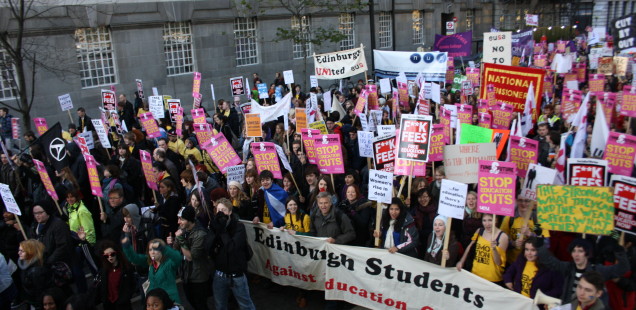
University is a great place for open discussion and free debate, but I’ve always had one opinion I just know the majority of people won’t agree with. I tried burying it, but it lurks behind my mask of shame, waiting to burst out at any moment. So here goes: I like tuition fees.
OK, maybe ‘like’ is a strong word, but I certainly think they’re a good idea. They’re waved above our heads as incentives during election periods like they’re all we care about, and even our Students’ Union passed a movement at the last AGM to throw their weight behind abolishing them. But there’s much more to the conversation than: “Fees are bad – make them go away”.
Let’s look at a hypothetical here. Hypothetical person A – who, for sake of ease, I’m going to call Selena – is a really brilliant chef. She’s worked her way up from washing pots to cooking in successful kitchens, pouring her time and energy into a hands on working education that no higher education establishment could ever provide.
Sure, she could do a degree in molecular gastronomy or some food-based science course – but would it help when she’s got a rail full of orders and 12 people to tell what to do? Probably not. She’s doing what she loves and she’s doing it well.
So why should hypothetical Selena have to pay taxes for a service she has absolutely no need for? We all have to pay taxes at some point into things we feel like we don’t need – but the advantage from that comes from knowing that back up is there if and when we need it.
Most people dip into the welfare state at some point in their lives on the road to success and pay back in at different points in their life alongside it. The world’s favourite example is JK Rowling, who started writing Harry Potter while on benefits and now is one of the nation’s richest people. University, however, is not quite as universal.
Half the issue is rhetoric. If you look at student loans as an investment, it makes great sense. You want to go to university, so the government gives you funds to invest in the university and course you want. Universities are then forced to be competitive and provide the best education they can for you, if for no other reason than to make themselves more marketable.
Good universities thrive and poor ones fail. The fact you can go to the best university in the world for the same price as near enough any other university in the country is pretty incredible as far as markets go.
Then there’s the payback. Don’t get me wrong, I’m hardly looking forward to paying my loan back, but as far as debt goes, it’s a bit like that mate who lets you borrow a tenner and expects it back “whenever you can, brah”, rather than a loan shark.
The alternative is that you pay higher taxes for your entire life, so that money is coming out whether you go to university or not. Our education system isn’t financially elitist – everyone can get these loans – and the blame for the cost of living in London doesn’t sit at the feet of tuition fees. After all, it’s not as though we’d still get all that Student Finance money if fees are abolished.
Tuition fees mean we can invest in the establishments we want to go to because we want to be in them. They make our education system, and our education better. One of the arguments against them, that people shouldn’t be excluded by finance, is in itself elitist when you consider Student Finance balances out our financial backgrounds.
There’s a whole chunk of the population who quite frankly don’t want or feel like they need university – and are probably pretty annoyed at the assumption they do. So why should we make them pay for it?


